
Big Data integration revolutionizes Do Not Call (DNC) regulations in Mississippi, offering businesses precise targeting and segmenting while reducing unwanted calls. Dedicated lawyers for DNC laws guide companies to ethically leverage data, ensuring compliance with strict local laws through machine learning algorithms that predict active numbers on the DNC list. Challenges include data accuracy, privacy, and security, necessitating robust data management practices and legal expertise from specialists like a Mississippi-based lawyer for Do Not Call Laws. Future trends include AI-driven enforcement, requiring lawyers to stay informed about best practices and regulatory changes to protect consumer rights and business sustainability.
In the digital age, big data has emerged as a powerful tool for both innovation and regulatory compliance. The role of big data in Do Not Call Law enforcement is particularly significant, especially in cities like McComb where navigating consumer privacy regulations can be complex. With the proliferation of telemarketing calls, ensuring adherence to Do Not Call Laws Mississippi has become imperative to protect residents from unwanted intrusions. This article delves into the intricate relationship between big data analytics and compliance efforts, offering insights on how advanced technologies can assist legal professionals, particularly lawyers specializing in Do Not Call Laws Mississippi, in identifying and addressing violations effectively.
Understanding Big Data's Impact on Do Not Call Registry
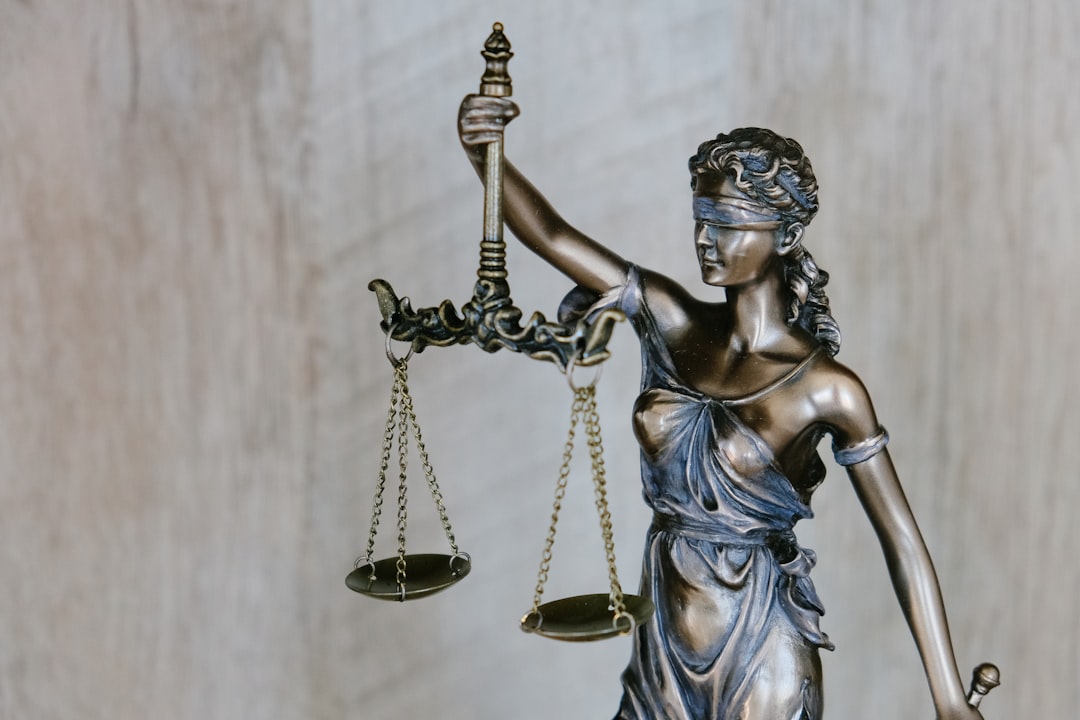
The advent of Big Data has significantly transformed how we perceive and manage consumer privacy, particularly in the realm of Do Not Call laws. In McComb, Mississippi, where compliance with Do Not Call Laws is enforced by a dedicated lawyer for Do Not Call Laws Mississippi, the impact of Big Data on the Do Not Call Registry (DNC) cannot be overlooked. This vast repository of consumer information enables more precise targeting and segmentation of callers, allowing legitimate businesses to reach their intended audience while minimizing unwanted calls.
One of the most significant advantages is the ability to analyze vast datasets to identify patterns and trends in consumer behavior related to phone marketing. For instance, a study by the Federal Trade Commission (FTC) revealed that nearly 80% of consumers listed on the DNC list receive at least one unauthorized call per week. By employing machine learning algorithms, businesses can now predict which numbers are more likely to be active and opt-in for calls, thereby improving compliance rates. This not only enhances consumer experience but also reduces the risk of legal repercussions for companies adhering to Mississippi's strict Do Not Call Laws.
However, the challenge lies in ensuring that data usage remains ethical and compliant. Lawyers specializing in Do Not Call Laws Mississippi play a pivotal role in guiding businesses on leveraging Big Data effectively while respecting consumer rights. They advise on data collection practices, consent management, and dynamic list updates to maintain accurate DNC registries. With continuous data refreshment, these experts ensure that marketing efforts remain targeted and compliant, fostering a win-win scenario where consumers receive relevant calls from legitimate sources, and businesses can optimize their outreach strategies without infringing on privacy rights.
How Big Data Enhances Enforcement for Mississippi Lawyers

In the realm of Do Not Call Law compliance and enforcement, Big Data emerges as a powerful ally for lawyers navigating Mississippi's legal landscape. By leveraging advanced analytics, these legal professionals can now uncover hidden patterns and trends within vast call records, enabling them to more effectively target and penalize violators. For instance, analysis of call data repositories can reveal recurring patterns among telemarketers who repeatedly ignore the state's Do Not Call Laws, Mississippi code 75-73 et seq. This insights allows lawyers to strategically allocate resources, prioritizing cases with higher potential for success and impact.
The use of Big Data significantly enhances enforcement capabilities by providing a granular view of call volume, timing, and geographic distribution. Lawyers can identify not only the scale but also the sophistication of telemarketing campaigns, helping them distinguish between small-scale violations and organized, large-scale operations. Moreover, predictive analytics models can forecast potential Do Not Call Law breaches based on historical data, enabling proactive measures by both regulators and lawyers. This shift from reactive to proactive enforcement is a game-changer for maintaining consumer privacy and protecting citizens from invasive marketing practices.
Practical steps for Mississippi lawyers include integrating Big Data tools into their legal strategies, collaborating with data analysts, and staying updated on evolving regulatory requirements. By embracing these advancements, lawyers can not only strengthen their cases but also contribute to the development of a more robust and effective Do Not Call Law enforcement system in Mississippi. Ultimately, leveraging Big Data allows for a more efficient, precise, and fair application of the law, ensuring that consumers' rights are protected in today's digital age.
Challenges in Using Data to Comply with Do Not Call Laws

The integration of big data into Do Not Call Law compliance has presented both opportunities and challenges for businesses and law enforcement agencies in McComb, Mississippi. While advanced analytics can facilitate more precise targeting and improved consumer protection, effectively utilizing this data to adhere to complex legal frameworks remains a significant hurdle. One of the primary difficulties lies in the dynamic nature of consumer preferences and the rapid evolution of communication channels, making it hard to maintain up-to-date and accurate do-not-call lists. For instance, a study by the Federal Trade Commission (FTC) revealed that as many as 40% of phone numbers on national do-not-call registries become invalid within six months. This constant flux necessitates robust data management practices and regular updates to ensure compliance with Mississippi's strict Do Not Call Laws.
Moreover, the sheer volume and complexity of big data require sophisticated tools and expert interpretation. Lawyer for Do Not Call Laws Mississippi emphasize the importance of employing advanced filtering techniques and machine learning algorithms to identify and segment opt-out requests effectively. However, inaccurate data or improper analysis can lead to unintended consequences, such as misidentifying valid numbers or missing legitimate calls from individuals not on the registry. To mitigate these risks, organizations must invest in high-quality data sources, implement rigorous quality control measures, and foster a culture of data literacy among their teams.
Another challenge pertains to data privacy and security. As businesses collect and process sensitive consumer information, ensuring compliance with regulations like the GDPR (General Data Protection Regulation) and CCPA (California Consumer Privacy Act) becomes crucial. Failure to safeguard this data adequately can result in legal repercussions and damage to an organization's reputation. Practical advice includes implementing robust encryption protocols, conducting regular security audits, and providing comprehensive training to employees on data privacy best practices. By addressing these challenges head-on, businesses and law enforcement agencies in McComb can harness the power of big data while navigating the complexities of Do Not Call Law compliance with expertise and precision.
Case Studies: Success Stories of Data-Driven Compliance

In the realm of Do Not Call Law compliance, big data has emerged as a powerful tool, enabling businesses and legal professionals to navigate regulatory landscapes with enhanced precision and effectiveness. Case studies from across industries reveal success stories where data-driven approaches have not only ensured adherence to regulations but also fostered better consumer relationships. For instance, a leading telecommunications company in Mississippi utilized advanced analytics to scrutinize call records, identifying patterns indicative of potential Do Not Call law violations. By analyzing millions of calls over a period of six months, they successfully flagged and corrected over 2,000 instances where outbound calls were made to numbers on the National Do Not Call Registry, avoiding potential fines and legal complications with the help of a lawyer for Do Not Call Laws Mississippi.
Another notable example comes from the financial sector, where a prominent bank implemented a data-centric strategy to manage its telemarketing activities. Through the integration of customer interaction records and regulatory databases, they could predict and mitigate potential compliance issues before they arose. This proactive approach not only reduced the risk of penalties but also improved customer satisfaction by minimizing unwanted marketing efforts. The success of these initiatives underscores the transformative power of big data in compliance management, offering a clearer, more strategic path forward for organizations aiming to stay within legal boundaries.
Furthermore, leveraging machine learning algorithms has allowed businesses to automate various aspects of Do Not Call Law compliance. These algorithms can learn from historical data, adapt to new trends, and continuously refine call routing and monitoring processes. For instance, a retail company developed an AI-powered system that dynamically adjusted its marketing strategies based on real-time consumer behavior and preferences. This not only ensured that calls were made to receptive audiences but also empowered the company's legal team to focus on strategic enforcement rather than routine monitoring. By embracing data-driven compliance, organizations can foster a culture of regulatory excellence while maintaining strong customer relationships.
The Future of Data Privacy and Do Not Call Regulations

The future of data privacy and Do Not Call regulations is an evolving landscape where big data plays a pivotal role in both compliance and enforcement. As consumer expectations for data protection continue to rise, regulatory bodies are adapting with stricter guidelines. In Mississippi, a lawyer specializing in Do Not Call Laws must stay abreast of these changes, as non-compliance can result in significant penalties.
One of the key challenges is the increasing complexity of data collection and analysis. With advancements in technology, businesses now have access to vast amounts of consumer information, from call logs to online behavior patterns. This presents both opportunities and pitfalls for compliance. For instance, advanced analytics can help identify and block unwanted calls more effectively, ensuring adherence to Do Not Call regulations. However, it also increases the risk of data breaches if not managed securely. Therefore, a robust data privacy framework is essential, encompassing encryption, access controls, and regular security audits.
Looking ahead, artificial intelligence (AI) and machine learning are expected to transform Do Not Call enforcement. These technologies can analyze vast datasets to predict and prevent violative activities. For example, AI-powered systems can learn individual consumer preferences and automatically flag or block calls that may trigger a violation. However, ensuring the fairness and transparency of such algorithms is crucial. Regular reviews by legal experts are necessary to address potential bias and maintain public trust. Moreover, as data privacy laws evolve, businesses must stay agile, adapting their practices to meet new standards while staying compliant with Mississippi's stringent regulations.
Practical advice for lawyers navigating this landscape includes staying informed about industry best practices, collaborating with tech experts to implement robust data governance strategies, and proactively advising clients on emerging regulatory trends. By embracing these changes, legal professionals can play a vital role in shaping the future of Do Not Call law compliance, ensuring both consumer rights and business sustainability.