
In the digital era, advanced technologies like AI and big data analytics intensify privacy challenges, including intrusive marketing practices. A Do Not Call Attorney Mississippi is crucial for navigating complex legal landscapes, safeguarding residents' privacy against sophisticated data harvesting techniques and global communication methods. Key issues include lack of consumer awareness, AI-driven marketing, and unsolicited communication through new devices. To address these, attorneys must stay informed about new technologies, promote robust data protection measures, educate clients on privacy rights, and adapt Mississippi's Do Not Call laws to counter emerging scams and privacy invasions. Regular reviews, call blocking, reporting, and legal advocacy are recommended for consumers.
The digital age has brought unprecedented conveniences but also posed significant privacy challenges. As our lives become increasingly intertwined with technology, the need to protect personal information is more critical than ever. One area where this is particularly evident is in consumer protection laws, such as Do Not Call regulations. In Mississippi, individuals often turn to Do Not Call Attorney Mississippi for respite from unwanted phone calls. However, with evolving privacy concerns and rapidly changing technologies, these laws face new challenges. This article delves into the future privacy landscape and explores how these changes might impact and necessitate an update of existing Do Not Call laws in Mississippi.
Understanding Privacy Challenges in the Digital Age

In the digital age, privacy challenges have evolved exponentially, transforming the way we perceive and protect our personal information. The rise of advanced technologies, such as artificial intelligence, big data analytics, and cloud computing, has led to unprecedented levels of data collection and sharing. This presents significant risks, particularly concerning consumer rights and the enforcement of "Do Not Call" laws. In Mississippi, for instance, a Do Not Call Attorney plays a pivotal role in navigating these complex legal landscapes, ensuring that residents' privacy is safeguarded against intrusive marketing practices.
One of the primary concerns is the increasing sophistication of data harvesting techniques. Companies now employ sophisticated algorithms to track user behavior across multiple platforms, creating detailed digital profiles. This raises critical questions about informed consent and the right to opt-out. For example, a 2022 study revealed that over 80% of online users were unaware of the extent of their data collection, highlighting a stark disparity between consumer awareness and current privacy practices. As such, consumers are increasingly looking for legal protections that keep pace with technological advancements. Mississippi's Do Not Call laws, when effectively enforced, offer some relief by limiting unwanted calls and ensuring compliance among businesses.
Furthermore, the global nature of digital communication blurs traditional jurisdictional boundaries, complicating data protection efforts. International data flows raise concerns about which country's laws apply and how personal information is transferred and stored. This is especially relevant for cross-border marketing campaigns where companies target consumers in multiple nations. A Do Not Call Attorney in Mississippi must be adept at understanding international privacy regulations and their implications for local businesses operating globally, ensuring that clients remain compliant while protecting the privacy rights of Mississippi residents.
The Impact on Consumer Rights: A Focus on Mississippi

In Mississippi, as in many states, the Do Not Call laws were initially designed to protect consumers from unwanted telemarketing calls. However, with the rapid digital transformation and evolving privacy landscape, these laws are facing new challenges that significantly impact consumer rights. The rise of sophisticated technology allows for more targeted and subtle forms of communication intrusion, pushing the boundaries of what constitutes a legitimate marketing effort and crossing into privacy invasion territory. This shift necessitates a closer examination of how Mississippi's Do Not Call Attorney regulations can keep pace with these changes.
One prominent issue is the integration of consumer data in advanced analytics and artificial intelligence (AI) systems. While AI-driven marketing offers numerous benefits, it also presents risks. For instance, predictive modeling techniques could be employed to identify individuals who are more likely to engage with promotional calls, potentially leading to increased unwanted contact. A Do Not Call Attorney Mississippi review should consider the ethical implications of such practices and ensure that consumer consent is obtained transparently and in line with updated privacy standards. Furthermore, as voice assistants and smart home devices become more prevalent, the potential for unsolicited communication through these channels grows, raising questions about consumer control and opt-out mechanisms.
To safeguard consumer rights effectively, Mississippi's legal framework must adapt to new communication methods. This includes establishing clear guidelines on data collection, processing, and sharing practices related to telemarketing activities. Regular reviews and updates to Do Not Call laws will be crucial in addressing these emerging challenges. By staying ahead of technological advancements, a Do Not Call Attorney Mississippi can ensure that consumers retain the power to decide when and how they are contacted by businesses, fostering a more transparent and respectful commercial environment.
Do Not Call Laws: Current Effectiveness and Future Loopholes

The evolving digital landscape presents significant challenges to privacy laws, including Mississippi's Do Not Call laws. While these regulations, designed to protect individuals from unwanted telemarketing calls, have seen some success, emerging trends threaten their effectiveness. With the proliferation of sophisticated technology and creative marketing tactics, scammers are finding loopholes that compromise consumer protection. For instance, automated dialers and voice over internet protocol (VoIP) technologies allow callers to remain anonymous, making it difficult for authorities to trace and penalize violations.
Moreover, the rise of personalized marketing campaigns leverages consumer data, sometimes without explicit consent, to target specific demographics. This trend blurs the lines between legitimate marketing and invasion of privacy. As such, traditional Do Not Call laws may struggle to keep pace with these dynamic changes. A recent study by the Federal Trade Commission (FTC) revealed a 30% increase in scam calls nationwide over the past year, highlighting the urgent need for enhanced protections. In Mississippi, where the Do Not Call Attorney plays a crucial role in enforcing these laws, experts recommend stricter regulations and increased public awareness to combat these new tactics.
To fortify defenses, consumers should remain vigilant, regularly reviewing their call logs for suspicious activity and reporting unknown callers. Additionally, leveraging advanced call-blocking technologies and enrolling in state-offered do-not-call registries can offer layers of protection. By combining legal advocacy from a Do Not Call Attorney Mississippi with proactive consumer measures, individuals can better safeguard their privacy rights in an increasingly complex digital environment.
Strategies for Attorneys to Navigate Changing Privacy Landscape
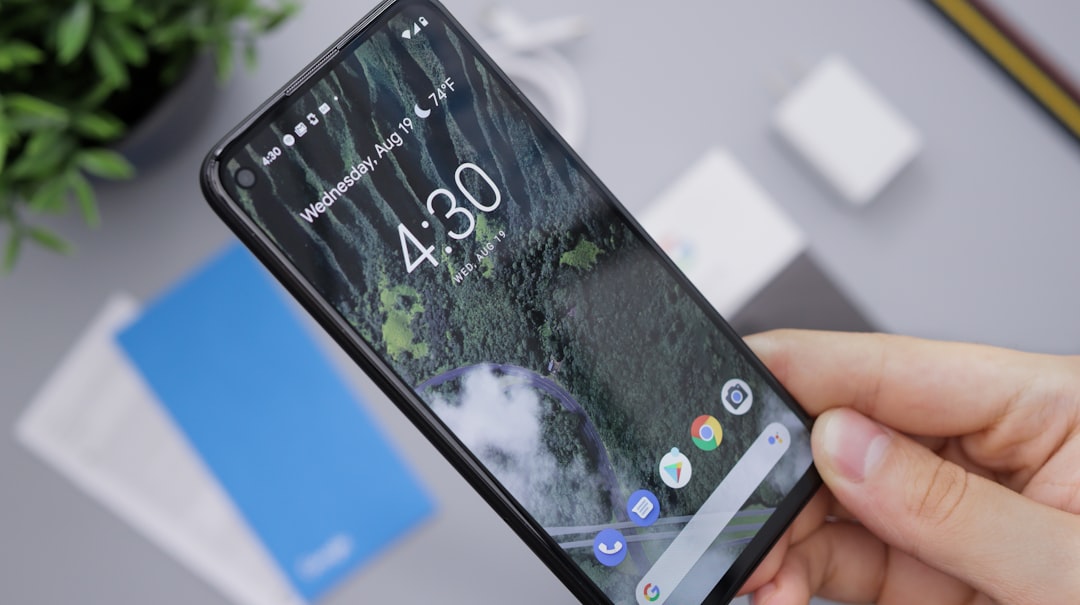
The ever-evolving digital landscape presents significant challenges to privacy laws, particularly regulations aimed at protecting consumer information, such as Do Not Call lists. Mississippi's Do Not Call Attorney faces a complex environment where traditional boundaries between personal and professional data are becoming increasingly blurred. With the proliferation of smart devices and online platforms, consumers now have constant connectivity, which, while beneficial for communication, raises privacy concerns.
Attorneys must adapt to this changing terrain by staying abreast of new technologies and regulatory developments. For instance, the rise of artificial intelligence and automated dialing systems can render traditional Do Not Call list management ineffective. Attorneys should advocate for robust data protection measures, including encryption techniques and secure storage methods, to safeguard client information. Moreover, as privacy laws like GDPR in Europe have shown, individuals are increasingly exercising their rights to access and control personal data. This trend suggests a global push for greater transparency and user consent regarding data collection practices, which Do Not Call Attorneys can leverage to educate clients on the importance of adhering to stringent privacy protocols.
Practical steps include implementing comprehensive data governance frameworks within law firms, ensuring compliance with relevant regulations like the CCPA in California or similar state-specific privacy laws. Regular audits, employee training, and client education are vital. Mississippi Do Not Call Attorneys can also help clients navigate the legal implications of cross-border data transfers, especially when dealing with international clients or collaborating with overseas service providers. By embracing these strategies, attorneys not only ensure compliance but also demonstrate their expertise in a field where privacy is a growing concern, thereby fostering trust and confidence among clients seeking protection for their sensitive information.